Skip to main content
Universal Navigation
U of T
Quercus
ACORN
Feeling distressed?
Universal Navigation2
KEY CONTACTS >
Main menu
Home
About A&S
Office of the Dean
Dean Melanie Woodin
Leadership Team
Key Contacts
Dean's Advisory Council
At a Glance
A&S Together
Academic Units
By the Numbers
New Faculty
Recent News
Upcoming Events
Faculty Governance
Arts & Science Council Elections
Arts & Science Council Meetings
Appeals, Standing & Admissions Committees
Curriculum Committees
Strategic Overview
Academic Plan 2020-2025
Digital Learning
Experiential Learning
Indigenous Learning & Knowledge
Mental Health & Wellness
Research Impact
Future Students
Student Experience
Life on Campus
The College System
About the Colleges
Membership Process
College Residence
Opportunities Outside the Classroom
Networking & Careers
Support Services
Student Profiles
Academic Opportunities
Explore our Programs
Arrive Ready for U of T
First-Year Opportunities
International Opportunities
Research Opportunities
Your Studies Year by Year
Pre-University Programs
Ready to Apply?
How to Apply
Admission Categories
Admission Requirements
Awards & Scholarships
Tuition, Fees & Financial Aid
Important Deadlines
FAQs
Already Applied?
Admission Decisions
Admitted Students
Plan Your Studies in First Year
Transfer Credit
Connect with Us
Events & Campus Tours
Counsellor Resources
High School Workshops
Meet our Recruiters
Current Students
Academic Advising and Support
College Registrars' Offices
Office of the Faculty Registrar
English Language Learning
Student Academic Integrity
Online Resources for Students
Services & Resources
Resources for Parents & Families
Academics
Academic Calendar
Course Planning
Course Enrolment
Program Toolkit
Learning Communities
Credit/No Credit & Late Withdrawal
Attendance Status
Student Absences
Experiential Learning
Internship Opportunities
Research Opportunities
International Opportunities
Course-Based Experiential Learning
Faculty Registrar Services and Support
Faculty Registrar Services
Petitions & Appeals
Final Exams
Awards & Scholarships
Academic Standing
Transfer Credit
Fees & Refunds
Graduation
Re-Registration in the Faculty
Dates & Deadlines
Academic Dates & Deadlines
Exam Schedule
Fees and Refund Schedule
Graduate Students
Graduate Funding in A&S
A&S Graduate Awards & Scholarships
A&S Minimum Financial Support Package
COVID-19 Mitigation for A&S Graduate Students
A&S COVID-19 Program Completion Award
SGS Tuition Fee Exemption
Funding by Graduate Unit
Graduate Funding Terms & Conditions
How Graduate Funding Works
Graduate Opportunities
A&S Support for Graduate Student Development
International Graduate Opportunities
Milestones & Pathways Program
Postdoctoral Fellowships
Programs & Admissions
Apply Online
Graduate Calendar
Graduate Fees
Graduate Programs
School of Graduate Studies
Faculty & Staff
Experiential Learning
Arts & Science Internship Program
Curriculum-Integrated Experiential Learning
International & Indigenous Opportunities
Supports & Events
Undergraduate Research Programs
Contact Us
Internal Resources
Academic Integrity Resources
Health & Safety
Mental Health Resources
Resources & Supports for Faculty
Sessions for Chairs, Academic Directors & Principals
Staff Awards
Research Supports & Services
Awards & Nominations
Find Funding
Proposal Development
Research Resources
Grant Review Deadlines
Teaching in A&S
Academic Handbook
Online Learning Academy
Support for A&S Instructors
Teaching & Learning Resources
Teaching Technology
Research
Arts & Science Strategic Research Plan
Research Impact
Research Report 2022-23
Alumni
Events
Backpack to Briefcase (b2B)
Get Involved
Alumni Ambassadors Abroad
Alumni & Friends Crosswords
Alumni News & Stories
Alumni Recruitment Ambassador Program
Job Shadowing
Mentorship Programs
Additional Opportunities
Support A&S
Our Priorities
Build A Better Future
Drive Scientific Discovery
Support Student Success
Ways to Give
Eclipse 2024
Gift Planning
Staff & Faculty Campaign
Your Impact
Donor Report 2021-22
Donor Report 2020-21
Donor Report 2019-20
Search form
Search
Home
About A&S
Office of the Dean
Dean Melanie Woodin
Leadership Team
Key Contacts
Dean's Advisory Council
At a Glance
A&S Together
Academic Units
By the Numbers
New Faculty
Recent News
Upcoming Events
Faculty Governance
Arts & Science Council Elections
Arts & Science Council Meetings
Appeals, Standing & Admissions Committees
Curriculum Committees
Strategic Overview
Academic Plan 2020-2025
Digital Learning
Experiential Learning
Indigenous Learning & Knowledge
Mental Health & Wellness
Research Impact
Future Students
Student Experience
Life on Campus
The College System
About the Colleges
Membership Process
College Residence
Opportunities Outside the Classroom
Networking & Careers
Support Services
Student Profiles
Academic Opportunities
Explore our Programs
Arrive Ready for U of T
First-Year Opportunities
International Opportunities
Research Opportunities
Your Studies Year by Year
Pre-University Programs
Ready to Apply?
How to Apply
Admission Categories
Admission Requirements
Awards & Scholarships
Tuition, Fees & Financial Aid
Important Deadlines
FAQs
Already Applied?
Admission Decisions
Admitted Students
Plan Your Studies in First Year
Transfer Credit
Connect with Us
Events & Campus Tours
Counsellor Resources
High School Workshops
Meet our Recruiters
Current Students
Academic Advising and Support
College Registrars' Offices
Office of the Faculty Registrar
English Language Learning
Student Academic Integrity
Online Resources for Students
Services & Resources
Resources for Parents & Families
Academics
Academic Calendar
Course Planning
Course Enrolment
Program Toolkit
Learning Communities
Credit/No Credit & Late Withdrawal
Attendance Status
Student Absences
Experiential Learning
Internship Opportunities
Research Opportunities
International Opportunities
Course-Based Experiential Learning
Faculty Registrar Services and Support
Faculty Registrar Services
Petitions & Appeals
Final Exams
Awards & Scholarships
Academic Standing
Transfer Credit
Fees & Refunds
Graduation
Re-Registration in the Faculty
Dates & Deadlines
Academic Dates & Deadlines
Exam Schedule
Fees and Refund Schedule
Graduate Students
Graduate Funding in A&S
A&S Graduate Awards & Scholarships
A&S Minimum Financial Support Package
COVID-19 Mitigation for A&S Graduate Students
A&S COVID-19 Program Completion Award
SGS Tuition Fee Exemption
Funding by Graduate Unit
Graduate Funding Terms & Conditions
How Graduate Funding Works
Graduate Opportunities
A&S Support for Graduate Student Development
International Graduate Opportunities
Milestones & Pathways Program
Postdoctoral Fellowships
Programs & Admissions
Apply Online
Graduate Calendar
Graduate Fees
Graduate Programs
School of Graduate Studies
Faculty & Staff
Experiential Learning
Arts & Science Internship Program
Curriculum-Integrated Experiential Learning
International & Indigenous Opportunities
Supports & Events
Undergraduate Research Programs
Contact Us
Internal Resources
Academic Integrity Resources
Health & Safety
Mental Health Resources
Resources & Supports for Faculty
Sessions for Chairs, Academic Directors & Principals
Staff Awards
Research Supports & Services
Awards & Nominations
Find Funding
Proposal Development
Research Resources
Grant Review Deadlines
Teaching in A&S
Academic Handbook
Online Learning Academy
Support for A&S Instructors
Teaching & Learning Resources
Teaching Technology
Research
Arts & Science Strategic Research Plan
Research Impact
Research Report 2022-23
Alumni
Events
Backpack to Briefcase (b2B)
Get Involved
Alumni Ambassadors Abroad
Alumni & Friends Crosswords
Alumni News & Stories
Alumni Recruitment Ambassador Program
Job Shadowing
Mentorship Programs
Additional Opportunities
Support A&S
Our Priorities
Build A Better Future
Drive Scientific Discovery
Support Student Success
Ways to Give
Eclipse 2024
Gift Planning
Staff & Faculty Campaign
Your Impact
Donor Report 2021-22
Donor Report 2020-21
Donor Report 2019-20
Quick Links
A&S Together
Undergraduate Admissions
Support A&S
Welcome to Arts & Science
The heart of Canada’s leading university and one of the most comprehensive academic divisions in the world. Amazing things happen here every day.
Learn More
A&S Together
Undergraduate Admissions
Support A&S
A&S Stories
A&S scholars sharing their expertise in the media this week
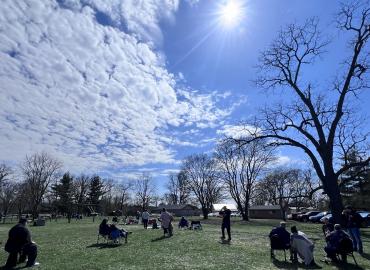
U of T astronomers collaborate with Kâpapâmahchakwêw — Wandering Spirit School on science programming for Indigenous students
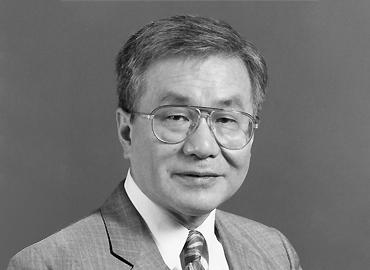
In Memoriam: Remembering the wisdom and curiosity of Professor Yoshio Masui (1931-2024)
Events At A&S
50 years since the Greek transition to Democracy: An Appraisal
April 29, 2024
Distinguished Lecture Series: Nigam Shah, "Shaping the Responsible Adoption of AI in Healthcare"
April 30, 2024
Schwartz Reisman Institute Graduate Workshop: Interdisciplinary Dialogues on AI
May 6, 2024
Discover Arts & Science
A&S Academic Plan 2020-25
Academic Plan 2020-25
widget-priorities.jpg
Research Strategic Plan
option8-widget.jpg
Digital Learning
colour-head-270-x370.jpg
Mental Health & Wellness
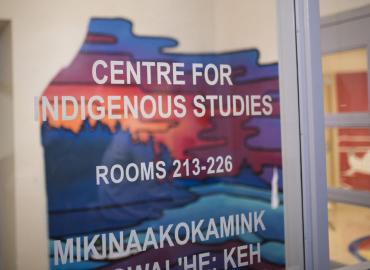
Indigenous-studies-highres.jpg
Indigenous Learning & Knowledge
Research-Widget_1.jpg
Experiential Learning & Outreach